Overview
When evaluating developer tools in the prediction market space, the comparison of Dome vs Polymarket Builder Codes highlights two distinct approaches to building on top of prediction market infrastructure. Dome is a developer infrastructure platform that aims to provide unified APIs and SDKs for accessing both real-time and historical prediction market data across multiple platforms. It positions itself as a multi-platform aggregation layer, though it is currently listed as coming soon, meaning its full feature set has yet to be publicly released or validated in production environments.
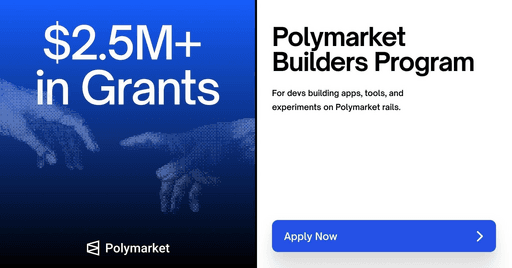
Polymarket Builder Codes, on the other hand, is an official program launched by Polymarket itself, designed to give third-party developers direct access to Polymarket's orderbooks, markets, and liquidity through builder integrations. It targets developers who want to build applications specifically on top of the Polymarket ecosystem, leveraging its CLOB (Central Limit Order Book) infrastructure. Like Dome, this program is also listed as coming soon, so both tools should be evaluated with the understanding that they are pre-launch offerings at this stage.
Dome vs Polymarket Builder Codes: Key Differences
| Category | Dome | Polymarket Builder Codes |
|---|---|---|
| Primary Function | Unified API and SDK layer for multi-platform prediction market data | Access to Polymarket's orderbooks, markets, and liquidity via builder integrations |
| Target User | Developers needing cross-platform prediction market data aggregation | Developers building apps or integrations specifically on Polymarket |
| Platform Scope | Multi-platform (aggregates across multiple prediction markets) | Polymarket-exclusive |
| Data Access | Real-time and historical prediction market data | Live orderbook, market, and liquidity data from Polymarket |
| Official Affiliation | Independent third-party infrastructure provider | Official Polymarket program |
| Pricing | Not publicly disclosed (coming soon) | Not publicly disclosed (coming soon) |
| Best For | Developers who need data or functionality spanning multiple prediction market platforms | Developers who want deep, native integration with Polymarket's trading infrastructure |
When to Choose Dome
Dome may be the right choice for developers who are not solely focused on Polymarket and instead need a broader view of the prediction market landscape. If your project requires aggregated data, cross-platform analytics, or a single SDK that reduces the overhead of integrating with multiple APIs independently, Dome's stated infrastructure approach is worth monitoring as it moves toward launch.
- You need historical and real-time data from multiple prediction market platforms in one unified interface
- You are building analytics tools, dashboards, or research applications that span beyond just Polymarket
- You prefer working with a standardized SDK layer rather than managing platform-specific API integrations
When to Choose Polymarket Builder Codes
Polymarket Builder Codes is the more targeted option for developers whose product or service is built directly on the Polymarket platform. As an official Polymarket program, it is likely to offer more reliable, up-to-date access to Polymarket's core trading infrastructure, including its CLOB orderbook and liquidity pools, which is essential for any application that involves trading or market interaction on Polymarket specifically.
- Your application is designed exclusively to integrate with Polymarket's markets and liquidity
- You need direct, native access to Polymarket's CLOB orderbook for trading or market-making functionality
- You want the credibility and support that comes with an officially sanctioned builder program from the platform itself
Verdict
Both Dome and Polymarket Builder Codes are currently pre-launch, which means any decision today is based on stated intentions rather than proven performance. Polymarket Builder Codes has a clear edge for developers building Polymarket-native applications, given its official backing and direct access to core platform infrastructure. Dome, if it delivers on its multi-platform promise, could become a compelling choice for developers who need broader market coverage without managing multiple integrations. For now, developers should monitor both programs closely, but those with a specific Polymarket use case have a clearer path forward with Polymarket Builder Codes.